
Bottled Water vs Filtered Water: Why Making Your Own Drinking Water at Home Makes Sense
For many people, bottled water feels like the safest choice. It’s sealed, labelled, and marketed as pure — so it must be better than tap water, right?
But when you look a little closer, the comparison between bottled water vs filtered water at home, it becomes far more nuanced. In fact, more households are now questioning whether relying on bottled water actually delivers the quality, consistency, and sustainability they expect.
This article explores some common misconceptions around bottled water, why not all bottled water is the same, and why producing your own filtered drinking water at home is increasingly seen as a smarter long-term solution.
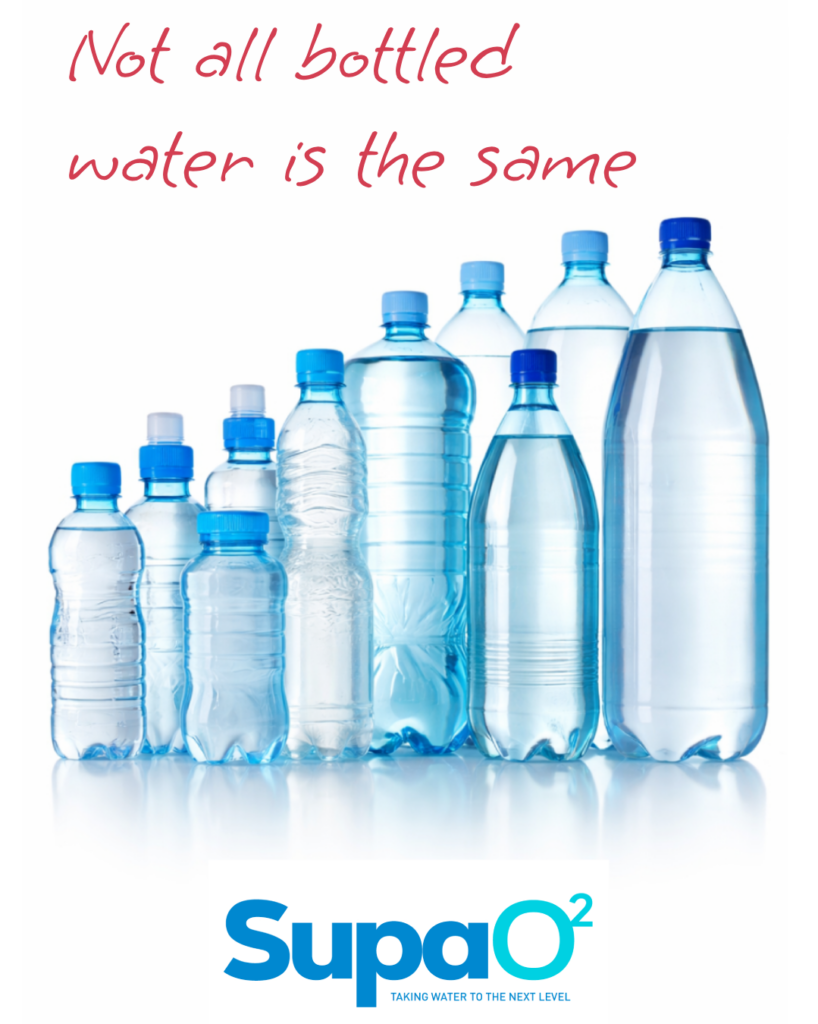
Not All Bottled Water Is the Same
One of the biggest misunderstandings about bottled water is the assumption that it all comes from pristine natural sources.
In reality, bottled water can vary significantly:
Some comes from natural springs
Some originates from municipal supplies
Some is filtered, treated, or blended before bottling
Labelling regulations differ by region, and while bottles often list the source, they don’t always explain how the water was treated or why treatment was necessary.
This means two bottles sitting side by side on a shelf can have very different journeys before reaching the consumer.
“Natural” Doesn’t Always Mean Untouched
Natural water sources have historically been associated with purity — and in many cases, that reputation was well earned.
However, modern environmental pressures have changed the landscape. Agricultural runoff, industrial activity, and broader environmental pollution increasingly affect even remote water sources. As a result, some bottled water producers now filter or treat their water before bottling, even when it originates from a natural source.
In 2025, French bottled water companies, were found to be filtering their water at source. Read More here
This isn’t inherently a problem — the right treatment improves safety — but it highlights an important point:
Filtering water isn’t the issue.
Where and how that filtering happens matters.
The Plastic Question
Another growing concern around bottled water is its reliance on plastic.
Single-use plastic bottles contribute significantly to environmental waste, even when recycling systems are in place. Read more here.
Beyond this, ongoing research continues into the presence of microplastics in bottled water — a topic that has prompted many consumers to rethink daily dependence on bottled products. Read More here.
While research in this area is still evolving, the trend is clear: people are becoming more conscious of the materials their drinking water comes into contact with, especially when consumed daily over many years.
Filtering water at home allows people to dramatically reduce plastic use while maintaining control over water quality in a much more sustainable way.
Taste, Balance, and Drinking Habits
Taste plays a surprisingly important role in hydration.
Water that has been heavily stripped of minerals can taste flat, even if it is technically “pure”. For many households, this affects how much water people actually drink — particularly children.
Filtered water produced at home can be tailored to prioritise drinkability, not just clarity. When water tastes better, people tend to drink more of it, supporting healthier hydration habits over time.
Control and Consistency at Home
One of the strongest arguments in the bottled water vs filtered water debate is control.
When you filter your own drinking water at home:
You know where the water comes from
You know how it’s treated
You control maintenance and usage
This consistency is difficult to replicate with bottled water, where source, treatment, and handling can vary from batch to batch.
For many households, home filtration also becomes more cost-effective over time, especially when replacing regular bottled water purchases.
Is Bottled Water “Bad”?
It’s important to be clear: bottled water isn’t inherently bad.
It plays a role in emergencies, travel, and situations where safe drinking water isn’t available. However, as a primary, long-term drinking water solution, bottled water comes with trade-offs that many people are no longer comfortable ignoring.
Filtering water at home offers:
Less reliance on plastic
Greater transparency
Long-term sustainability
More consistent quality
Why More People Are Choosing to Filter Their Own Water
The shift away from bottled water isn’t driven by fear — it’s driven by awareness.
As people learn more about water sources, treatment methods, and environmental impact, many conclude that producing their own filtered drinking water at home simply makes more sense.
Systems like SupaO² are designed with this long-term thinking in mind, focusing on clean, consistent, drinkable water rather than short-term convenience.
If you’re currently weighing up bottled water vs filtered water at home, understanding your options is the first step.
👉 Contact SupaO² to discuss whether filtering your own drinking water is right for your household or business.
Further Reading:
World Health Organization – Drinking-Water Quality Guidelines
https://www.who.int/teams/environment-climate-change-and-health/water-sanitation-and-health/water-safety-and-qualityCDC – About Drinking Water and Safety
https://www.cdc.gov/drinking-water/about/index.html